
Supply Chain Investigation #001
A real sourcing investigation using export records, customer review photos, UL certification and supplier verification.
Summary
Many buyers believe finding the original manufacturer in China is simply a matter of searching Alibaba.
In reality, identifying the real factory behind an existing product often requires connecting multiple independent sources of information.
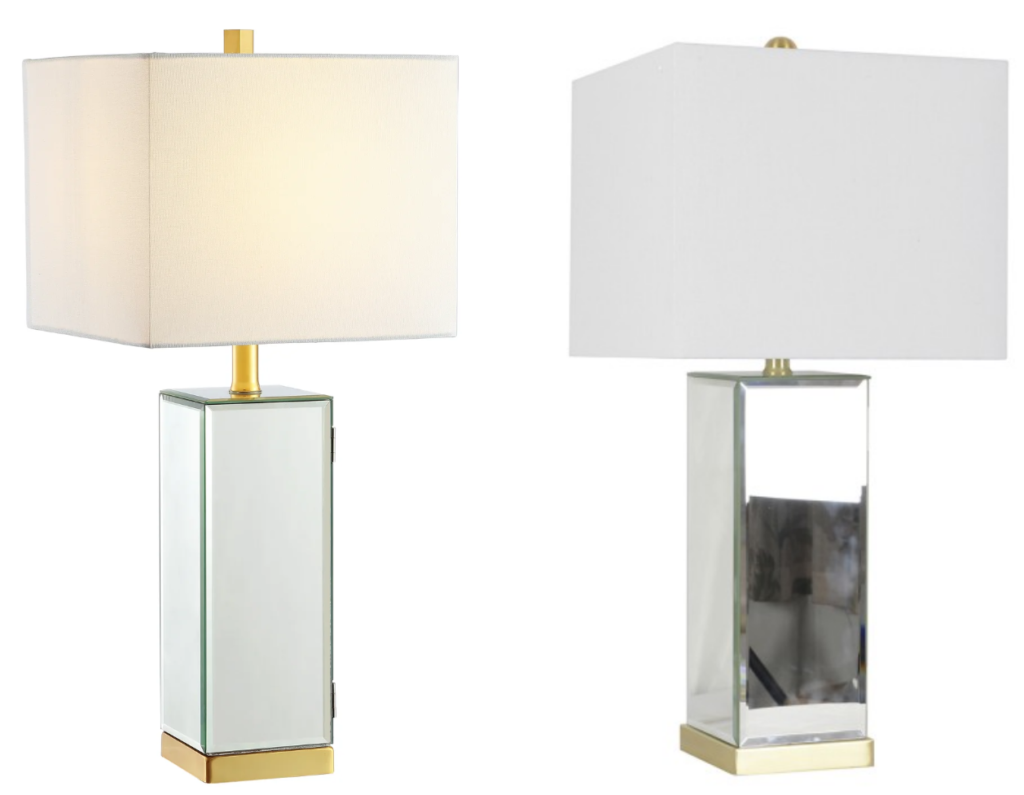
This article shares a real sourcing investigation we conducted for a client looking for the manufacturer of a discontinued table lamp with a hidden jewelry box.
The investigation started with export records, passed through unanswered emails, outdated websites and invalid phone numbers, and eventually ended with direct confirmation from the factory itself.
More importantly, it demonstrates a sourcing principle we use every day:
Professional sourcing is not about finding information. It is about verifying information until multiple independent clues point to the same conclusion.
Why This Article Exists
One of the most common questions we receive is:
"Can you help us find the original factory behind an existing product?"
Sometimes the answer is straightforward.
Sometimes it becomes an investigation.
Many original manufacturers in China do not actively promote themselves online.
Some have outdated websites.
Some don't answer emails.
Some work only with long-term sourcing partners and have no interest in new inquiries.
This case shows how experienced sourcing professionals continue verifying information instead of stopping when the first clue reaches a dead end.
Investigation Step 1 — The Client's Challenge
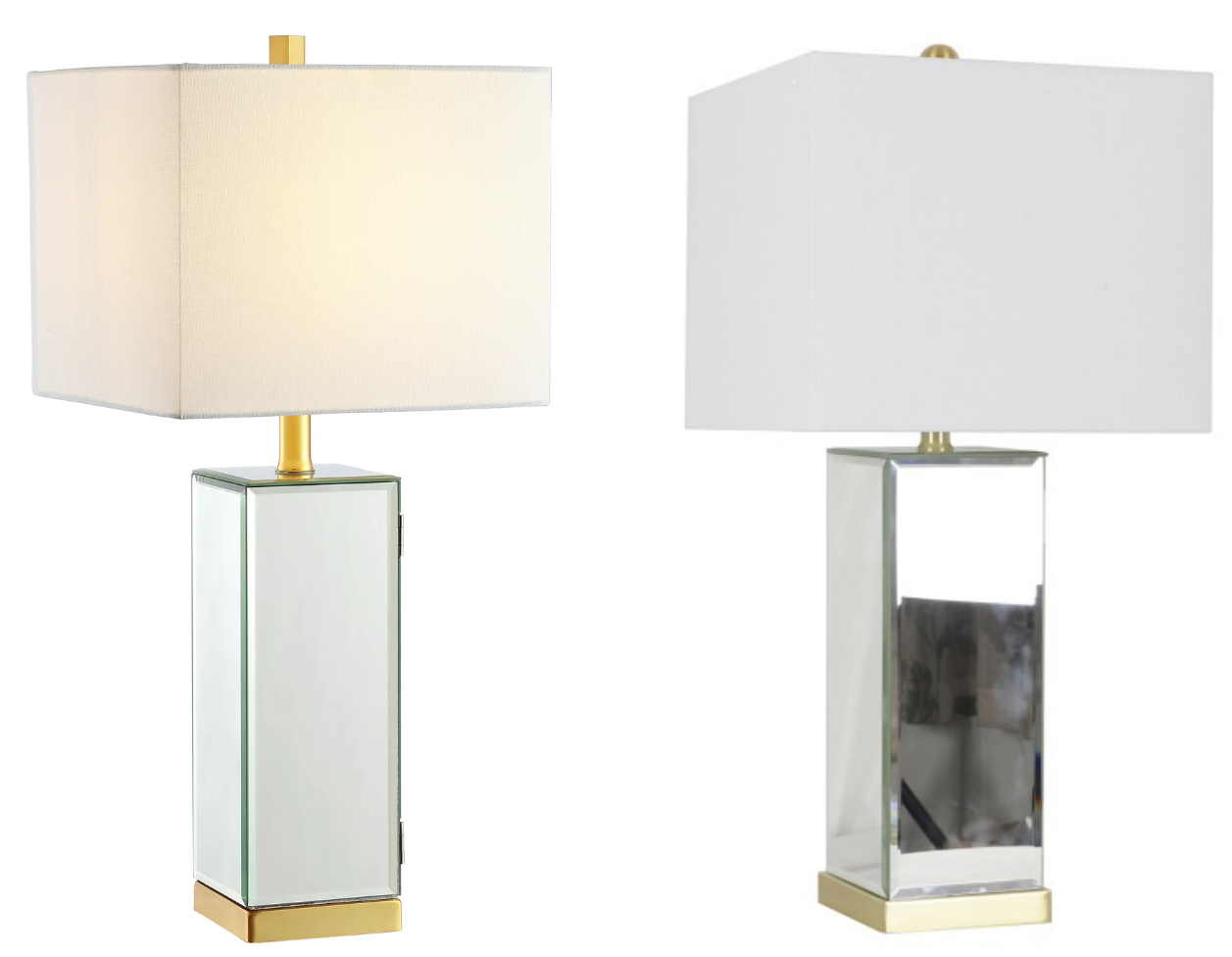
A client asked us to identify the manufacturer behind a very distinctive table lamp.
The product had been sold for several years by an established overseas brand but had recently been discontinued.
What made the lamp unique was its design.
Behind the mirror was a hidden jewelry compartment, concealed by an almost invisible door.
Very few products on the market used a similar structure.
The client wanted to identify the original manufacturer rather than simply finding a similar-looking product.
Investigation Step 2 — Export Records Led Us to Hong Kong
Our first step was to analyse export records.
They pointed to a Hong Kong company called T&T Lighting, which had exported lighting products for many years.
At first, we thought we had found the answer.
Instead, we had only found the first clue.
The company had almost no online presence.
We located an email address ending with ttl-lighting.com and sent an inquiry.
We waited.
Days passed.
No reply ever came.
For many buyers, this is where the investigation would stop.
For us, it meant only one thing:
The next clue had to come from somewhere else.
Investigation Step 3 — Following the Domain Name
Although the email went unanswered, the domain name itself became another clue.
Searching for ttl-lighting eventually led us to a sourcing office in Dongguan.
After several attempts, we reached someone by phone.
They were understandably cautious.
The first questions were not about the product.
Instead, they asked:
Which company are you from?
Which brand do you represent?
Who is your customer?
Eventually, they explained that they did not manufacture products themselves.
Their company worked exclusively as a purchasing office for one overseas client and did not accept outside sourcing projects.
That conversation did not reveal the factory.
But it confirmed something equally important:
The exporter was not the manufacturer.
Investigation Step 4 — The Most Valuable Clue Came from a Customer Review
At this point we changed our approach.
Instead of searching for companies, we returned to the product itself.
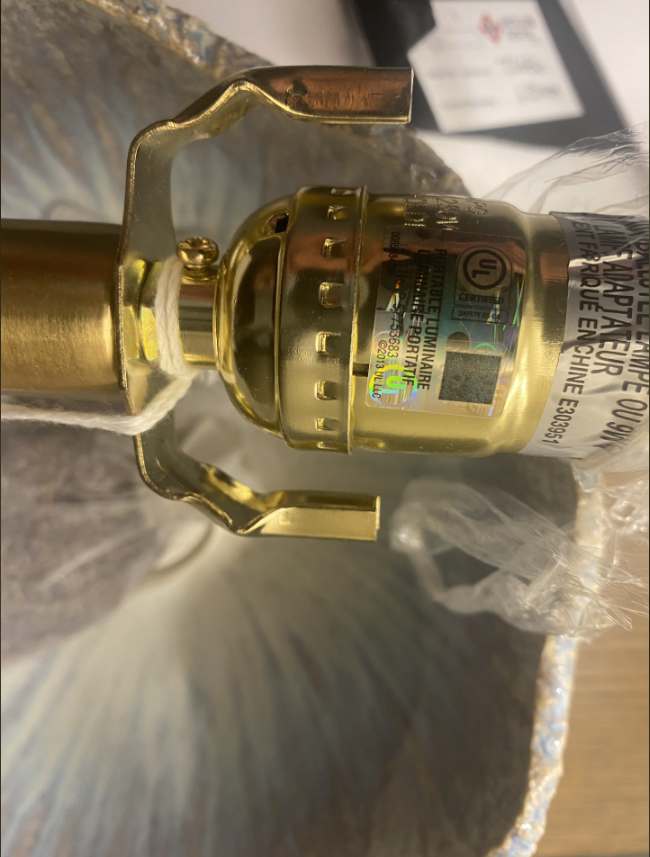
While reading online customer reviews, we noticed one buyer had uploaded a close-up photograph of the lamp.
Most people would probably see only a product photo.
We saw something different.
A partially visible UL certification label.
We downloaded the image.
Zoomed in repeatedly.
Some characters were blurred.
Others were hidden by reflections.
Character by character, we reconstructed the complete UL file number.
That single customer photo became the breakthrough.
Searching the UL database revealed another company name.
Now we had a completely independent lead.
Investigation Step 5 — Finding the Factory Was Harder Than Finding Its Name
Finding the company name did not mean finding the company.
The manufacturer's website had been online since 2001, but looked as though it had barely changed in years.
There were almost no product pages.
The published phone numbers no longer worked.
Searching the registered address produced no useful results.
The contact numbers found through Chinese business databases were rarely answered.
For a while, every path seemed to end the same way.
Silence.
Eventually, after searching through several old webpages, we discovered the name of a contact person.
Honestly, I assumed he had probably left the company years ago.
To my surprise, he was still there.
Investigation Step 6 — Final Verification
When we finally reached the contact by phone, he was equally cautious.
Again, the first questions were:
Which company are you from?
Which customer do you represent?
That reaction made perfect sense.
Manufacturers behind successful products are naturally careful about revealing their supply chain.
Rather than pushing for immediate answers, we continued the conversation professionally, comparing the information we had already gathered.
Eventually, the factory confirmed that they were indeed the manufacturer of the product.
After multiple dead ends and independent verification, every clue finally pointed to the same conclusion.
What This Investigation Taught Me
This project reinforced several sourcing principles that we use every day.
1. Never rely on a single source of information.
Export records.
Certification databases.
Customer photos.
Business registrations.
Direct communication.
Each clue was incomplete by itself.
Together, they told the full story.
2. Public information often contains hidden evidence.
We never purchased the product.
The key breakthrough came from a customer review photo that most people would have scrolled past.
Knowing where to look is often more valuable than knowing which website to search.
3. Finding a company name is not the same as finding the right person.
Many manufacturers have outdated websites, inactive email addresses or registration phone numbers that are rarely used.
The real challenge is finding a valid human contact.
4. Professional sourcing is a process of verification.
Many people think sourcing is about knowing more factories.
In reality, it is often about asking one simple question after every clue:
"What should we verify next?"
Frequently Asked Questions
How can I find the original manufacturer of a product in China?
There is rarely a single database that provides the answer. Experienced sourcing professionals usually combine export records, certification databases, business registrations, product markings and direct communication to verify the manufacturer step by step.
Can a UL certification number identify a manufacturer?
Sometimes, yes.
For many certified products, a UL file number can help identify the company responsible for the certification. However, the information should always be cross-checked with other sources before drawing conclusions.
Why didn't you stop after the exporter failed to reply?
Because unanswered emails do not necessarily mean the investigation has reached a dead end.
In sourcing, every failed lead simply tells you to look for another independent source of evidence.
Why are some Chinese manufacturers difficult to contact?
Many original manufacturers focus on production rather than marketing.
Some maintain very old websites, rarely respond to public inquiries, or work only with long-term sourcing partners.
That is why local investigation and verification are often necessary.
Why use a sourcing partner instead of relying only on Alibaba?
Alibaba is an excellent starting point, but it is not a complete map of China's manufacturing ecosystem.
Many original manufacturers have little online marketing presence, while many trading companies have excellent online visibility.
Professional sourcing involves verifying who actually designs, manufactures and supplies the product.
About the Author
Caroline Kong is the founder of MuseSourcing, based in Shenzhen, China.
With over 12 years of experience in sourcing, supplier verification and supply chain management, she helps overseas companies identify reliable manufacturers, investigate complex supply chains and reduce sourcing risks across Southern China.
Rather than simply introducing suppliers, Caroline focuses on verifying information through real-world sourcing investigations, combining public records, factory communication and on-the-ground experience to help clients make confident purchasing decisions.
Related Reading
- Why Experienced Buyers Never Trust Specifications at Face Value — why verification starts with better questions.
- The Greater Bay Area Manufacturing Guide — where products like this lamp are actually made.
Planning a Similar Project?
Every product and supply chain is different. If you are sourcing from China and want an honest assessment of your project — what is realistic, what it should cost, and what could go wrong — send me the details through the form below. I personally read and reply to every inquiry.
Caroline Kong · MuseSourcing · Shenzhen, China