
Two Real Export Stories About Missed Vessels, Holiday Delays, and Hidden Logistics Costs
Summary
Many overseas buyers assume a customs inspection simply adds a few days to the shipping schedule.
Our experience has been very different.
In two separate export projects, customs inspections triggered a chain reaction that led to missed vessels, unexpected storage and container charges, damaged packaging after reloading, and additional logistics costs exceeding RMB 20,000.
The inspection itself was not the biggest problem.
The biggest cost came from everything that happened after the inspection.
This article shares two real stories from our sourcing work in China, along with practical lessons that buyers can use to reduce logistics risk before peak shipping seasons.
Why This Article Exists
Most articles explain how customs inspection works.
Very few explain what happens after your shipment is selected for inspection.
If you have never experienced a physical customs inspection in China, it is easy to assume the impact is simply a delayed departure.
In reality, customs inspection often becomes only the beginning of a much larger supply chain disruption.
This article exists because many buyers underestimate the hidden costs created by missed sailings, holiday schedules, rebooking, container storage, and reloading.
Every story below is based on real export projects or real experiences shared by experienced sourcing professionals.
Story 1 — When a Customs Inspection Turned RMB 5,927 into RMB 28,717
In February 2026, just before the Chinese New Year, we shipped a batch of aluminium profiles from Shenzhen.
Like many factories before the holiday, production was running at full speed to complete shipments before workers returned home for the festival.
Unfortunately, our container was selected for a physical customs inspection.
The wooden export crates had already been fumigated, exactly as required.
However, customs officers could not immediately see the fumigation mark when they first opened the container doors. Although the markings existed elsewhere on the packaging, the shipment was still sent for inspection.
The inspection itself was not the biggest issue.
The shipment missed its original vessel.
Because shipping schedules around Chinese New Year were already extremely tight, the container waited until early March before it could be loaded onto another vessel.
The financial impact was significant.
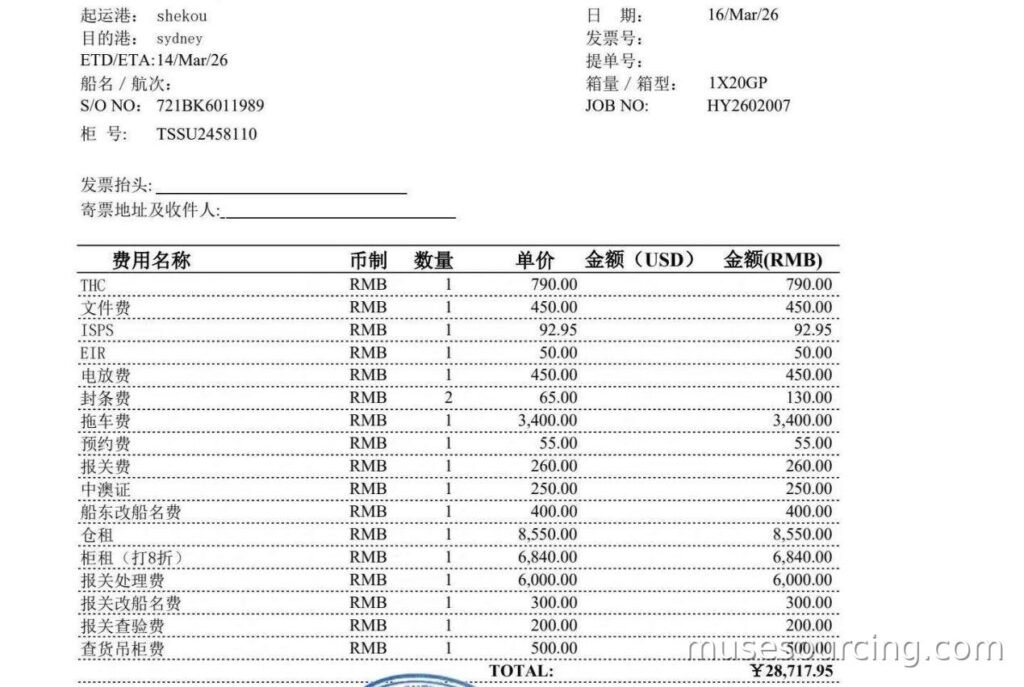
Our normal FOB logistics cost for this shipment was:
RMB 5,927.95
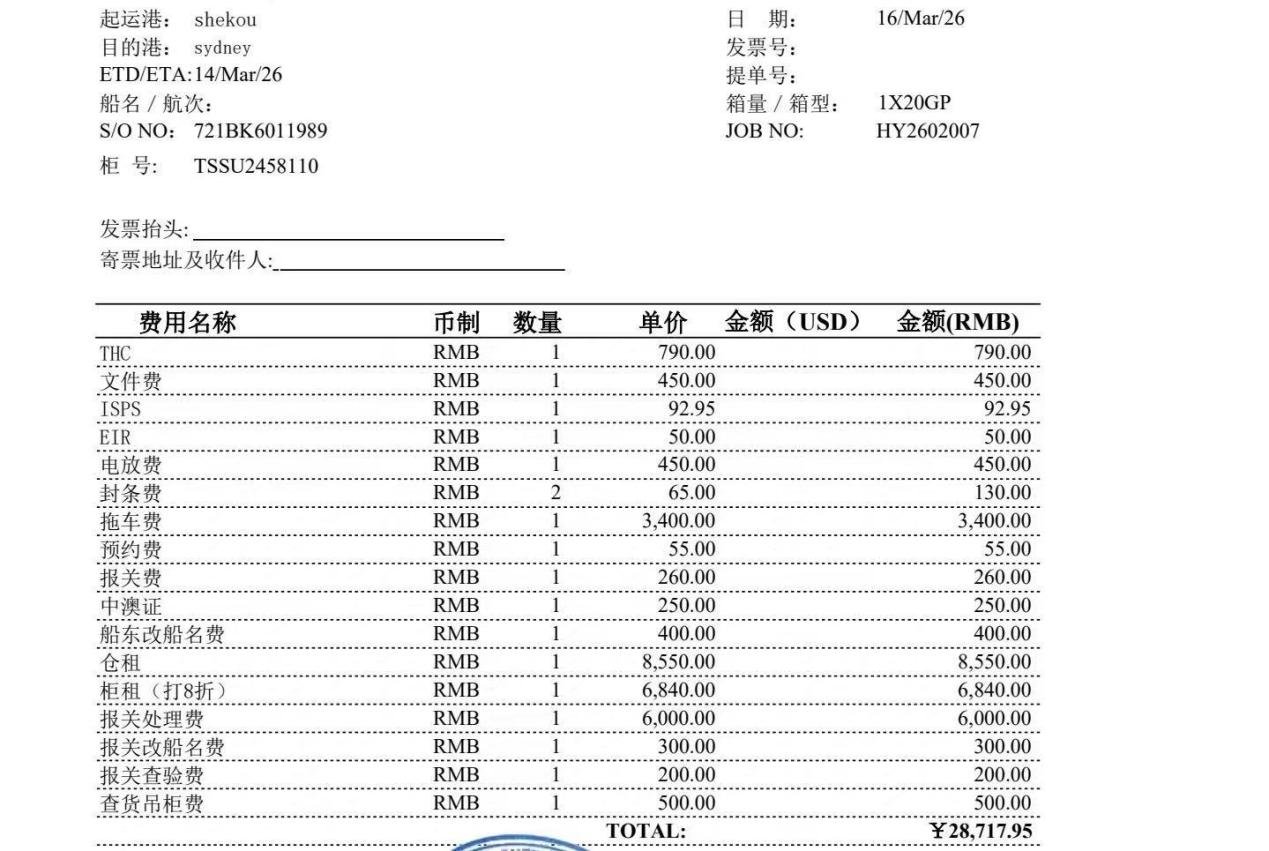
The final logistics bill became:
RMB 28,717.95
The customs inspection itself did not generate RMB 22,790 in fees.
Instead, the inspection triggered a series of additional logistics costs—including missing the original vessel, container detention, port-related charges and rebooking—which together increased the total bill by approximately RMB 22,790.
The customer agreed to absorb RMB 13,000, while we still had to bear almost RMB 9,790 ourselves.
The inspection itself was not expensive.
Missing the vessel was.
Transition
At first, we assumed this was simply an unfortunate coincidence.
Later, another experienced exporter shared a remarkably similar story.
The products were different.
The customers were different.
Even the holidays were different.
But the pattern was almost identical.
Story 2 — A Holiday Inspection That Triggered a Chain Reaction
One of my friends originally agreed to ship under EXW terms.
Shortly before shipment, however, the customer requested to change the shipment to FOB.
Trying to accommodate the customer, my friend accepted the change and arranged local port charges accordingly.
Unfortunately, the shipment was selected for a physical customs inspection just before the Qingming Festival.
The container was moved to the inspection area.
Customs required the cargo to be unloaded.
Since customs authorities do not unload containers themselves, my friend had to arrange forklifts at his own expense.
Then the holiday began.
The inspection paused.
The vessel departed without the shipment.
After the holiday, customs completed the inspection and confirmed everything was compliant.
The cargo was loaded back into the container.
The freight forwarder then had to secure a completely new sailing schedule.
According to my friend, the customer's nominated freight forwarder did not immediately arrange another vessel.
Every additional day increased container usage and storage charges.
Unlike using your own freight forwarder, there was very little control over how quickly rebooking happened.
When the shipment finally arrived, the customer complained that many cartons were damaged and no longer properly secured.
Before shipment, the factory had taken detailed loading photos showing all cargo had been professionally blocked and braced.
After customs inspection, however, the cargo had clearly been reloaded differently.
The products themselves were fine.
The packaging no longer reflected the factory's original loading quality.
Story 3 — Not Every Customs Inspection Is the Same
One mistake many buyers make is assuming that every customs inspection has the same impact.
That isn't true.
Some inspections are document-based and are released quickly without opening the container.
One experienced exporter told me he once experienced a customs inspection in Qingdao where the container was never unloaded.
The shipment continued almost normally.
Physical inspections are different.
Once unloading, holiday schedules, vessel departures and rebooking become involved, costs can increase very quickly.
What Experienced Buyers Learn From These Cases
These experiences taught us several practical lessons.
1. The inspection itself is often not the biggest cost.
The largest expenses usually come afterwards:
missed vessels
storage charges
container usage fees
rebooking
holiday delays
2. Be cautious when changing Incoterms late in the project.
Changing from EXW to FOB may seem like a simple pricing adjustment.
In reality, it changes responsibilities and may expose suppliers to risks they did not originally plan for.
3. Holiday timing matters.
Several experienced exporters have shared similar stories involving shipments immediately before major Chinese holidays such as Chinese New Year, Qingming Festival and National Day.
A customs inspection during these periods can create much greater disruption because shipping schedules are already tight.
4. Compliance must also be visible.
In our case, the wooden crates had already been fumigated.
However, the fumigation markings were not immediately visible from customs' first inspection angle.
Meeting compliance requirements is important.
Making compliance easy to verify is equally important.
5. Factory loading and customs reloading are not always the same.
Professional factory loading teams spend years learning how to secure cargo efficiently.
After customs inspection, containers may be reloaded by different personnel under time pressure.
Packaging quality after reloading may not match the original loading standard.
Questions I Ask Before Every Shipment Near a Chinese Holiday
Whenever a shipment is scheduled close to a major Chinese holiday, I now ask several practical questions:
Could this shipment miss its vessel if customs inspection occurs?
Who is responsible for additional inspection-related costs under the agreed Incoterms?
If rebooking becomes necessary, who controls communication with the freight forwarder?
Has the factory photographed cargo loading before sealing the container?
Are fumigation marks and shipping labels immediately visible when customs opens the container?
These questions rarely appear in sourcing guides, but they can save buyers significant time, money and unnecessary disputes.
FAQ
Does customs inspection always delay shipments?
No.
Some inspections are completed through documentation or limited checks.
Physical inspections that require unloading are far more likely to cause delays.
Who pays customs inspection costs?
It depends on the agreed Incoterms, the commercial agreement between buyer and seller, and how both parties choose to share unexpected costs.
Why do shipping costs sometimes increase after a customs inspection?
The customs inspection itself is usually not the main cost.
In our experience, additional expenses often come from the operational work required after a physical inspection, such as:
unloading and reloading the container;
forklift handling;
labour charges;
container detention and usage fees while waiting for the next available vessel;
missed sailings and rebooking;
storage charges at the port;
additional packaging damage caused during reloading.
In other words, buyers are rarely paying for the inspection itself. They are paying for everything that happens because the inspection interrupted the original shipping plan.
Can customs inspection damage packaging?
The products themselves may remain undamaged, but packaging can be affected if cargo needs to be unloaded and reloaded.
For this reason, photographing the loading process before shipment is always a good practice.
Should I avoid shipping before Chinese holidays?
Not necessarily.
However, buyers should understand that if a physical customs inspection happens during peak holiday periods, delays and additional logistics costs can increase significantly.
Planning a little earlier often reduces unnecessary risk.
Why This Matters Beyond One Shipment
One lesson has stayed with me over the years.
Supply chain problems rarely happen because of a single mistake.
They usually happen because several ordinary events occur at exactly the same time.
A customs inspection.
A public holiday.
A missed vessel.
Limited shipping capacity.
A nominated freight forwarder.
Individually, none of these is unusual.
Together, they can create weeks of delays and tens of thousands of renminbi in unexpected costs.
Understanding this chain reaction is part of becoming an experienced buyer—not just someone who knows how to place an order.
About the Author
I have spent more than 12 years working with Chinese manufacturers, helping overseas brands source products, evaluate suppliers, solve production problems, and manage exports across different industries.
Through MuseSourcing, I document real sourcing experiences, market observations, and practical lessons from China's manufacturing ecosystem—not just successful projects, but also the unexpected challenges that teach the most valuable lessons.
This story is based on real export projects and real experiences shared by sourcing professionals.
Related Reading
- The Greater Bay Area Manufacturing Guide — the ports, factories and logistics behind South China sourcing.
- What Should You Do If Your Supplier Uses the Wrong Packaging? — another case of a problem becoming an opportunity.
Planning a Similar Project?
Every product and supply chain is different. If you are sourcing from China and want an honest assessment of your project — what is realistic, what it should cost, and what could go wrong — send me the details through the form below. I personally read and reply to every inquiry.
Caroline Kong · MuseSourcing · Shenzhen, China